

Smart Bedroom Technology Integration for Better Sleep
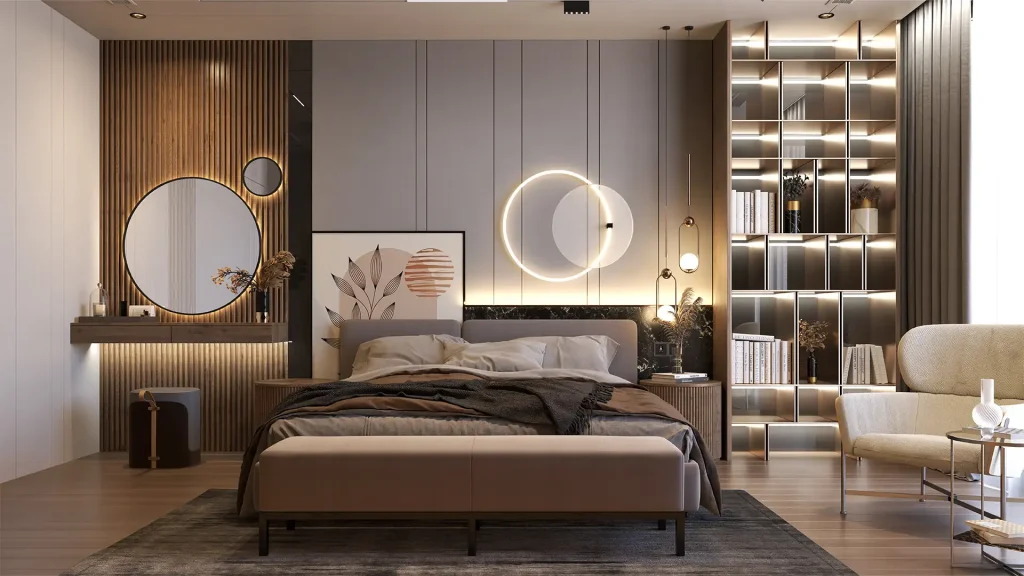
You know that feeling. You crawl into bed, exhausted, but your brain is still buzzing. The room feels a little too warm, the streetlight is peeking through the blinds, and you can’t seem to find that perfect, cool spot on the pillow. What if your bedroom could actually help with all that?
That’s the promise of the smart bedroom. It’s not about having gadgets for gadget’s sake. It’s about creating a holistic sleep sanctuary that works in the background. Think of it less like a sci-fi movie and more like a gentle, automated conductor, orchestrating your environment for the perfect night’s rest.
The Core Philosophy: It’s About the Environment, Not Just the Gadget
Before we dive into the tech, let’s get one thing straight. A smart speaker in the corner doesn’t make a smart sleep sanctuary. The real magic happens through integration. It’s the difference between a single instrument and a symphony. The goal is to have your devices talk to each other, creating a seamless wind-down and wake-up routine that feels almost… natural.
The Pillars of a Sleep-Optimized Smart Bedroom
Honestly, you can break it down into a few key areas. Getting these right is like hitting the sleep jackpot.
1. Light: Your Body’s Master Clock
Light is the most powerful cue for your circadian rhythm. Smart lighting solutions go way beyond just turning off with an app.
- Smart Bulbs & Dimmers: Schedule a “sunset” in your room. An hour before bed, have your lights automatically dim to a warm, amber hue. This suppresses melatonin-disrupting blue light.
- Smart Blinds or Curtains: These are game-changers. Program them to close at dusk for privacy and light control, and to open gradually at your wake-up time, letting in natural sunlight to gently halt melatonin production. Waking up with the sun—even a simulated one—feels profoundly different from a blaring alarm.
2. Temperature: The Goldilocks Zone
Science is clear: for most people, a cooler room (around 65°F or 18°C) is ideal for sleep. Our core body temperature needs to drop to initiate sleep. Here’s where tech shines.
A smart thermostat is the obvious start. But for true smart bedroom technology integration, pair it with a smart bed or bed cooling system. Some advanced mattresses or pads can track your sleep stages and adjust temperature throughout the night—cooling you down as you drift off, maintaining neutrality during deep sleep, and even warming up slightly to cue a gentle wake-up.
3. Sound: From Masking to Melodies
Soundscaping is a powerful tool. It’s not just about playing rain sounds.
- White Noise Machines: Smart versions can adapt to ambient noise levels, ramping up if a siren passes outside.
- Smart Speakers: Set up a “Goodnight” routine that starts your favorite sleep playlist at a whisper, sets a sleep timer, and simultaneously turns off the lights. The key is automation—you shouldn’t be fumbling with your phone.
- Soundproofing Tech: While not “smart” in the digital sense, integrating acoustic panels can be part of your overall tech-enabled quiet strategy.
Making It All Work Together: The Integration Playbook
Okay, so you have some gadgets. Now what? The magic is in the routines. Most smart home platforms (like Google Home, Apple HomeKit, or Amazon Alexa) allow you to create scenes or automations.
| Routine Name | Trigger | Actions (Example) |
| “Goodnight” | Voice command or bedtime on phone | Lights dim to 10%, thermostat lowers to 65°, white noise starts, blinds close, phone goes to Do Not Disturb. |
| “Sunrise Wake-Up” | 6:30 AM Weekdays | Blinds open slowly, bedside lamp gradually brightens to warm light, gentle music begins, thermostat adjusts to 68°. |
| “Wind Down” | 9:00 PM | Main lights switch to warm dim, smart plug cuts power to TV, a reminder appears on your phone to put it away. |
See? It’s about layering. You’re not just turning things off; you’re crafting an experience.
The Data Dilemma: Sleep Trackers and What to Do With the Info
Wearables and under-mattress sleep trackers collect a ton of data: heart rate, respiration, sleep stages, restlessness. This is fascinating, honestly. But it can also lead to “orthosomnia” – an unhealthy obsession with perfect sleep data.
Here’s the deal: use the data as a guide, not a gospel. Look for trends. If your tracker consistently shows poor sleep when your room temp is above 70°, that’s a clue for your smart thermostat. Notice you’re restless when light filters in at 5 AM? That’s a solid case for smart blinds. The tech should inform your environment adjustments, not become a source of anxiety.
A Few Cautions in This Wired Sanctuary
It’s not all perfect. Blue light from device LEDs can be intrusive. That’s why managing smart bedroom technology integration means being mindful. Use black electrical tape on tiny LEDs, choose devices with night modes, or put them in a mode that minimizes light pollution. And, sure, sometimes the tech will glitch. A router reboot might be the modern version of fluffing your pillow.
Start simple. You don’t need a $10,000 setup. A single smart bulb on a sunset schedule is a phenomenal first step. It’s about progress, not perfection. The best smart bedroom tech eventually fades into the background, leaving you with just one thing: truly restorative sleep.
In the end, we’re all just looking for that deep, quiet rest we remember as kids. Technology, thoughtfully woven into the fabric of our room, might just be the gentle nudge back to it. Not with bells and whistles, but with darkness, coolness, quiet… and a perfectly timed sunrise.