

Edible Landscaping for Front Yards: The Ultimate Guide to a Beautiful, Productive Lawn
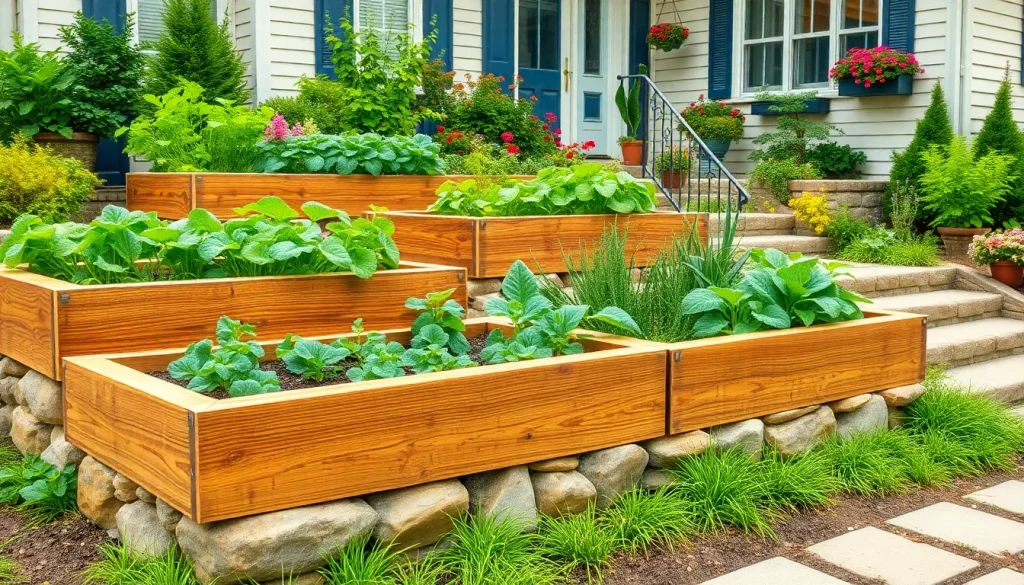
Let’s be honest—front lawns are a bit of a scam. They demand constant mowing, guzzle water, and offer nothing in return except a green carpet that nobody actually walks on. But here’s the deal: you can flip that script. Edible landscaping for front yards is not just a trend; it’s a quiet rebellion against the boring, sterile monoculture. Imagine stepping out your front door and grabbing a handful of cherry tomatoes, snipping some rosemary for dinner, or watching your neighbors do a double-take at your kale-and-kohlrabi “flower bed.”
This isn’t about turning your yard into a messy farm. Far from it. With a little planning, your front yard can look intentional, polished, and frankly, more interesting than the standard lawn. You get curb appeal and a harvest. That’s a win-win in my book. So, let’s dive into how you can transform that thirsty grass patch into a living pantry—without upsetting the homeowners’ association (too much).
Why Bother? The Real Payoff of a Productive Front Yard
Sure, the idea sounds nice, but why go through the effort? Well, the reasons stack up faster than zucchini in August. First, there’s the obvious: fresh, organic produce at your doorstep. You’ll save on grocery bills, sure, but you’ll also eat things that actually taste like something. A sun-warmed strawberry from your own yard beats a shipped-in, pale imitation every single time.
Then there’s the ecological angle. Lawns are terrible for pollinators—they’re basically deserts. Edible landscaping, on the other hand, brings in bees, butterflies, and birds. It builds healthier soil, reduces runoff, and cuts down on your carbon footprint since you’re not hauling in produce from across the country. Honestly, it’s one of the most impactful things you can do for your local ecosystem, right in your own front yard.
And let’s not forget the social aspect. A front yard full of food is a conversation starter. Neighbors will stop, ask questions, and maybe even trade tips. You become the interesting house on the block—the one with the rainbow chard and the espaliered apple trees. That’s way better than being the house with the perfectly striped grass, don’t you think?
Design Principles: Making Edibles Look Intentional (Not Messy)
The biggest fear people have is that an edible front yard will look like a chaotic vegetable patch. And well, it can, if you just throw seeds down willy-nilly. But with a few design tricks, you can make it look like a high-end landscape magazine spread. The secret? Structure, repetition, and a little bit of patience.
Start with a Framework: Paths and Borders
Hardscaping is your best friend. A clear path—whether it’s flagstone, gravel, or brick—gives the eye a place to rest. Add defined borders around your beds using metal edging, stones, or even boxwood hedges. These elements signal “designed garden” rather than “abandoned plot.” Think of it like a picture frame; it makes everything inside look intentional.
Use the “Thriller, Filler, Spiller” Method
This is a classic container-planting trick, but it works perfectly for front yard beds. You need a focal point (the thriller), mid-height plants to fill space (the filler), and something to spill over the edges (the spiller). For edibles, that might look like:
- Thriller: A dwarf fruit tree, a tall artichoke plant, or a beautiful fennel with its feathery fronds.
- Filler: Bushy herbs like basil, sage, or oregano, or leafy greens like Swiss chard and kale.
- Spiller: Creeping thyme, trailing nasturtiums, or sweet potato vines (yes, the tubers are edible!).
This combination creates layers and visual interest. It’s not just a row of lettuce—it’s a composition.
Color and Texture Are Your Allies
Who says edibles are boring green? You’ve got deep purple kale, red-veined sorrel, golden marjoram, and striped beets. Mix these with flowering herbs like chives (purple pom-poms) or borage (star-shaped blue flowers). The contrast between a dark leaf and a bright blossom is pure magic. It’s like nature’s own confetti.
Top Edibles That Double as Ornamentals
Not all food plants are photogenic. Some look like they belong in a field, not a front yard. But others are absolute showstoppers. Here’s my shortlist of plants that work hard and look good doing it:
Perennials: Plant Once, Harvest for Years
Perennials are the backbone of a low-maintenance edible landscape. They come back every year, which means less work and more payoff. Some of the best for front yards include:
- Artichokes: These are architectural giants with silvery, sculptural leaves. They look like they belong in a Mediterranean villa.
- Asparagus: The ferny, airy foliage turns a lovely yellow in fall. It’s a great backdrop plant.
- Rhubarb: Huge, dramatic leaves with red stalks—a real statement piece for a shady corner.
- Blueberries: Compact bushes with brilliant red fall color. They’re also early-season bloomers, so bees will thank you.
- Perennial herbs: Rosemary, thyme, sage, and oregano are evergreen in many climates. They’re the workhorses of the edible landscape.
Annuals: Quick Wins for Color and Yield
Annuals give you flexibility. You can swap them out each season to change the look. Plus, they’re usually fast-growing, which is satisfying. Here are some front-yard-worthy annuals:
- Swiss Chard: The “Bright Lights” variety has stems in neon pink, orange, yellow, and white. It’s a rainbow in a bed.
- Kale: The “Lacinato” (dinosaur) variety has bumpy, blue-green leaves that look almost prehistoric. Very cool texture.
- Nasturtiums: These have trailing vines with round leaves and fiery flowers. The whole plant is edible, with a peppery kick.
- Peppers: Ornamental peppers are gorgeous, but even standard varieties have pretty, upright fruit. Mix hot and sweet for a colorful display.
- Lettuce: Not the boring iceberg—try “Lollo Rosso” or “Red Sails” for frilly, burgundy leaves that look like flowers.
Small Trees and Shrubs: The Vertical Layer
Don’t forget about height. A front yard with only low plants can feel flat. Adding a fruit tree or two gives structure and shade. But you don’t need a massive orchard. Dwarf and semi-dwarf varieties are perfect for small spaces.
Espaliered fruit trees are a classic choice. That’s where you train a tree to grow flat against a wall or fence, in a decorative pattern. It’s a formal, elegant look that screams “I know what I’m doing.” Apples and pears are the easiest to espalier. If you don’t have a wall, you can use a sturdy trellis.
Other great options for small yards include:
- Fig trees: They have huge, lobed leaves that look tropical. They’re also surprisingly cold-hardy.
- Pomegranates: These have glossy leaves and bright orange-red flowers. The fruit is a bonus.
- Citrus (in warm climates): Dwarf lemons or limes have fragrant blossoms and glossy foliage. They’re gorgeous in pots.
- Currants and gooseberries: These are small shrubs with delicate, maple-like leaves. They produce jewel-toned berries.
Practical Tips for a Thriving Front Yard Garden
Now, let’s get down to the nitty-gritty. You can’t just plant stuff and hope for the best. Here are some practical, field-tested tips to keep your edible landscape looking sharp:
Soil is Everything
Before you plant anything, get a soil test. Seriously. It’s a cheap, easy step that tells you exactly what your soil is missing. Most edibles prefer a slightly acidic to neutral pH (6.0-7.0). Amend your soil with compost—lots of it. Compost is like a multivitamin for your plants. It improves drainage, adds nutrients, and encourages beneficial microbes.
Water Wisely
Front yards often have different sun exposure than backyards. That’s fine, but you need to match plants to the conditions. A south-facing front yard will bake in summer—that’s perfect for rosemary and tomatoes, but tough for lettuce. A north-facing yard is cooler and shadier, which is great for leafy greens and herbs like mint (but keep mint in a pot, trust me).
Drip irrigation is your friend. It delivers water directly to the roots, which reduces waste and keeps leaves dry (preventing fungal diseases). Set it on a timer, and you’ll barely have to think about watering. That’s the kind of lazy that works.
Mulch Like You Mean It
A thick layer of mulch (2-3 inches) does three things: it suppresses weeds, retains moisture, and keeps soil temperatures stable. Use an organic mulch like wood chips, straw, or shredded leaves. It breaks down over time and feeds your soil. Just keep it a few inches away from plant stems to prevent rot.
Dealing with the HOA and Neighbors
Ah, the elephant in the room. Some neighborhoods have strict rules about what you can plant. The word “vegetable” might send your HOA into a frenzy. But here’s the trick: don’t call it a vegetable garden. Call it a “culinary landscape” or “edible ornamental garden.” Frame it as a landscaping upgrade, not a farm.
Also, keep it tidy. A well-maintained edible garden that looks intentional is much harder to object to than a messy one. Mow your edges, weed regularly, and keep paths clear. If you do get pushback, invite the