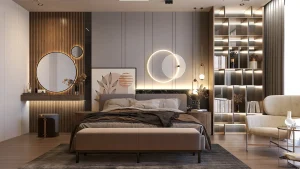
Crafting Calm: A Guide to Sensory-Friendly Bedroom Design for Neurodiverse Adults

Let’s be honest—your bedroom should be your sanctuary. A place where the world’s volume gets turned down, not up. But for many neurodiverse adults—those with autism, ADHD, sensory processing differences, or anxiety—a typical bedroom can feel like an assault on the senses. Harsh lighting, buzzing electronics, scratchy textures, and visual clutter don’t just annoy; they can lead to genuine overwhelm and burnout.
That’s where sensory-friendly design comes in. It’s not about sterile, minimalist spaces (unless that’s your jam). It’s about intentional, personalized design that gives your nervous system a break. Think of it as creating a personal sensory diet for your living space. A place where you can truly recharge.
The Foundation: Understanding Your Sensory Profile
Before you buy a single paint swatch, pause. The most crucial step in designing a sensory-friendly bedroom is self-awareness. Are you sensory-avoidant (seeking less input) or sensory-seeking (craving more)? Maybe a mix? Your needs are unique.
For instance, someone with auditory sensitivity might need absolute silence, while another person might find a low, rhythmic fan noise essential for focus. There’s no one-size-fits-all. Grab a notebook and jot down what soothes you and what spikes your anxiety. This is your blueprint.
Key Sensory Systems to Consider
| Sensory Input | If You’re Sensitive (Avoidant) | If You’re Seeking |
| Visual | Soft, dim lighting; muted colors; minimal clutter | Colorful accents, motion (like a bubble tube), textured art |
| Auditory | Soundproofing, white noise machines, quiet appliances | Auditory fidgets, music systems, nature soundscapes |
| Tactile | Soft, seamless fabrics; predictable textures | Varied textures (smooth, bumpy, fuzzy), weighted blankets |
| Olfactory | Hypoallergenic materials, scent-free air purifiers | Calming essential oil diffusers (lavender, chamomile) |
| Proprioceptive | Open, uncluttered floor space for movement | Weighted blankets, body pillows, snug seating nooks |
Building Your Sensory Sanctuary: A Room-by-Room Approach
1. Sight: Mastering Light and Visual Space
Lighting is, hands down, the biggest game-changer. Overhead fluorescent lights? Pure torture for many. The goal is layered, controllable light.
- Ditch the Big Light: Use floor lamps, table lamps, or wall sconces with warm-white bulbs. Smart bulbs you can dim from your phone are a godsend.
- Blackout is Best: Invest in high-quality blackout curtains or shades. They’re not just for sleep; they give you total control over daytime sensory input.
- Tame the Visual Noise: Use closed storage—baskets, cabinets, drawers—to hide clutter. Choose a calm, cohesive color palette. A feature wall can be great, but maybe avoid overly busy patterns.
2. Sound: Creating Your Acoustic Landscape
Sound travels, and unpredictable noises are the enemy of peace. Here’s how to build a buffer.
- Soft Surfaces Absorb Sound: Rugs, heavy curtains, plush furniture, and even fabric wall hangings act as natural sound dampeners.
- Control Your Soundtrack: A white noise machine or a simple fan can mask jarring external sounds (traffic, neighbors). For seekers, a high-quality speaker for curated playlists or ambient sounds might be central.
- The Tech Quiet: Look for silent or near-silent fans for computers. Charge devices in another room if their buzz bothers you.
3. Touch: The Textural World
From the moment you wake up, texture matters. This is where you can really personalize.
Bedding is everything. For avoidant folks, high-thread-count cotton or bamboo sheets with no tags are a safe bet. Seekers might love the deep pressure of a weighted blanket—typically one that’s about 10% of your body weight. Layer different textures: a smooth silk pillowcase, a chunky knit throw, a faux fur rug. It’s all about what feels regulating to you.
Furniture matters too. Sand down any rough edges—literally and figuratively. Choose soft-close drawers and doors to avoid sudden, loud bangs.
Beyond the Basics: Incorporating Regulation Zones
A truly sensory-friendly bedroom often has little “micro-zones” for different needs. It’s like having a toolkit in your room.
- A Stimming/Calming Corner: A dedicated bean bag or rocking chair with a basket of fidget toys, putty, or calming objects.
- A Movement Zone: Clear floor space for stretching, yoga, or just pacing. A mini-trampoline or a pull-up bar in the doorway can be perfect for seekers.
- A Low-Stimulus Cave: For meltdown or shutdown moments, a canopy over the bed or a pop-up tent can create an instant, dark, enclosed safe space.
Putting It All Together: A Non-Prescriptive Checklist
Don’t feel you need to do it all at once. Start with one element that causes the most distress. Here’s a loose guide to get you thinking:
- Audit Your Room: Spend 10 minutes in your room. What feels jarring? The glare on your screen? The hum of the fridge? Write it down.
- Prioritize One Sense: Tackle lighting first, or maybe soundproofing. Small wins build momentum.
- Invest in Your Bed: It’s the room’s centerpiece. Get the right mattress topper, pillows, and blankets for your tactile needs.
- Create a “Sensory First-Aid” Kit: Keep noise-canceling headphones, a favorite fidget, and a comforting scent in your bedside drawer for emergencies.
- Iterate, Iterate, Iterate: Your needs may change. The room can too. It’s a living project, not a final exam.
In the end, designing a sensory-friendly bedroom for neurodiverse adults isn’t about following a trendy aesthetic. It’s a profound act of self-advocacy. It’s about building an environment that doesn’t fight against your neurology, but supports it. A space that says, “You are safe here.” And honestly, isn’t that what home should be for everyone?